Whispers linger on weathered stones, where specters spin tales of yesteryear’s canal boats. Old towpaths, now cradled in nature’s tender grasp, echo with the ghostly cadence of invisible horse teams. Their legacy drifts through the air, a soft rustle among the leaves, a timeless serenade to the days of ole along Ohio’s Erie canal.
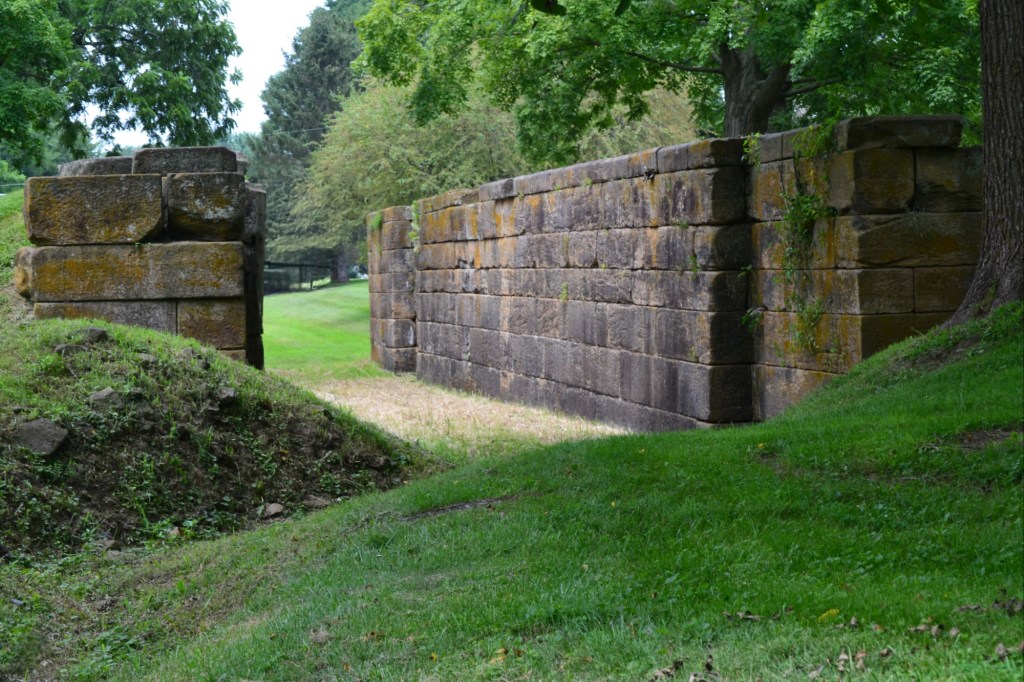
Lockville, Ohio
August 5, 2023.
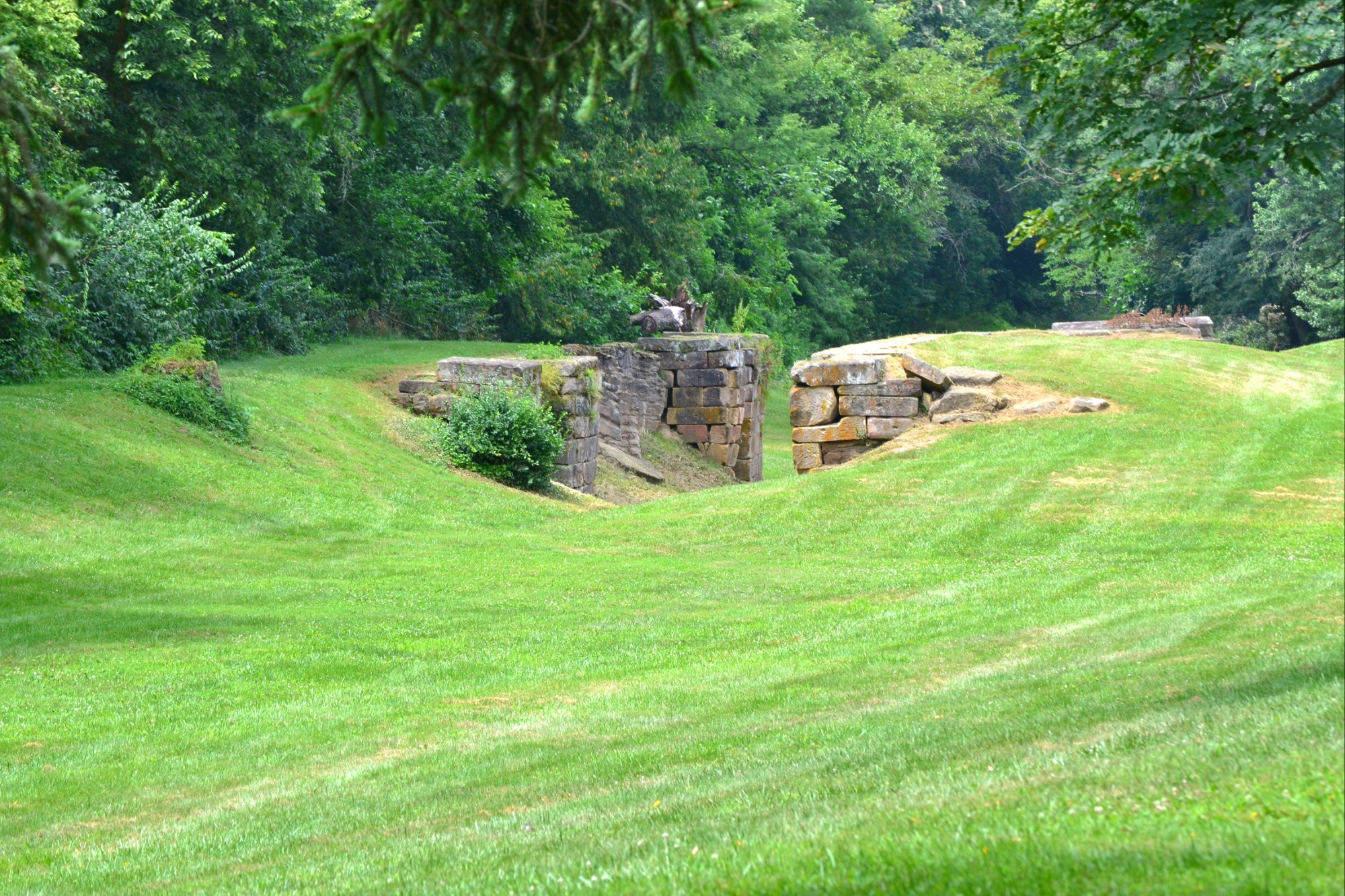
Spanning an impressive 300 miles, the Ohio & Erie Canal bridged the wilds of Ohio—originally a part of the Northwest Territory—linking the Ohio River to Lake Erie in the early 1800s. This monumental feat of engineering swiftly brought the state to economic prominence.
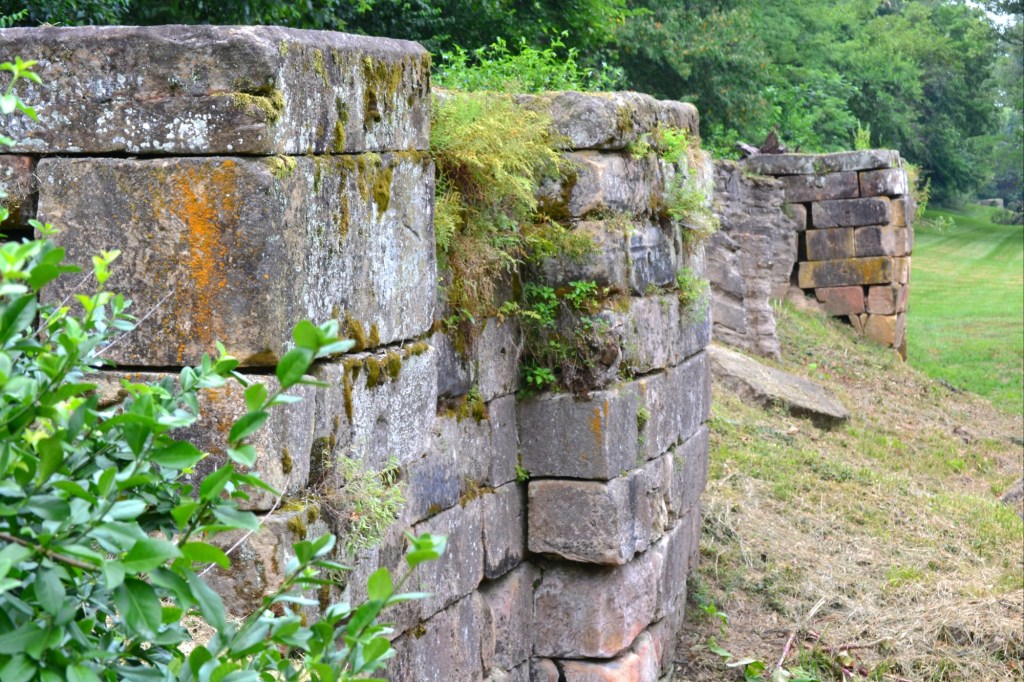
Harnessing the power of horses and mules to tow canal boats, the young state of Ohio transcended the formidable and expensive transportation barrier of the Appalachian Mountains. The result was a shift in commerce, reducing the cost of trade with the Northeastern United States, curtailing their reliance on pricier European imports.
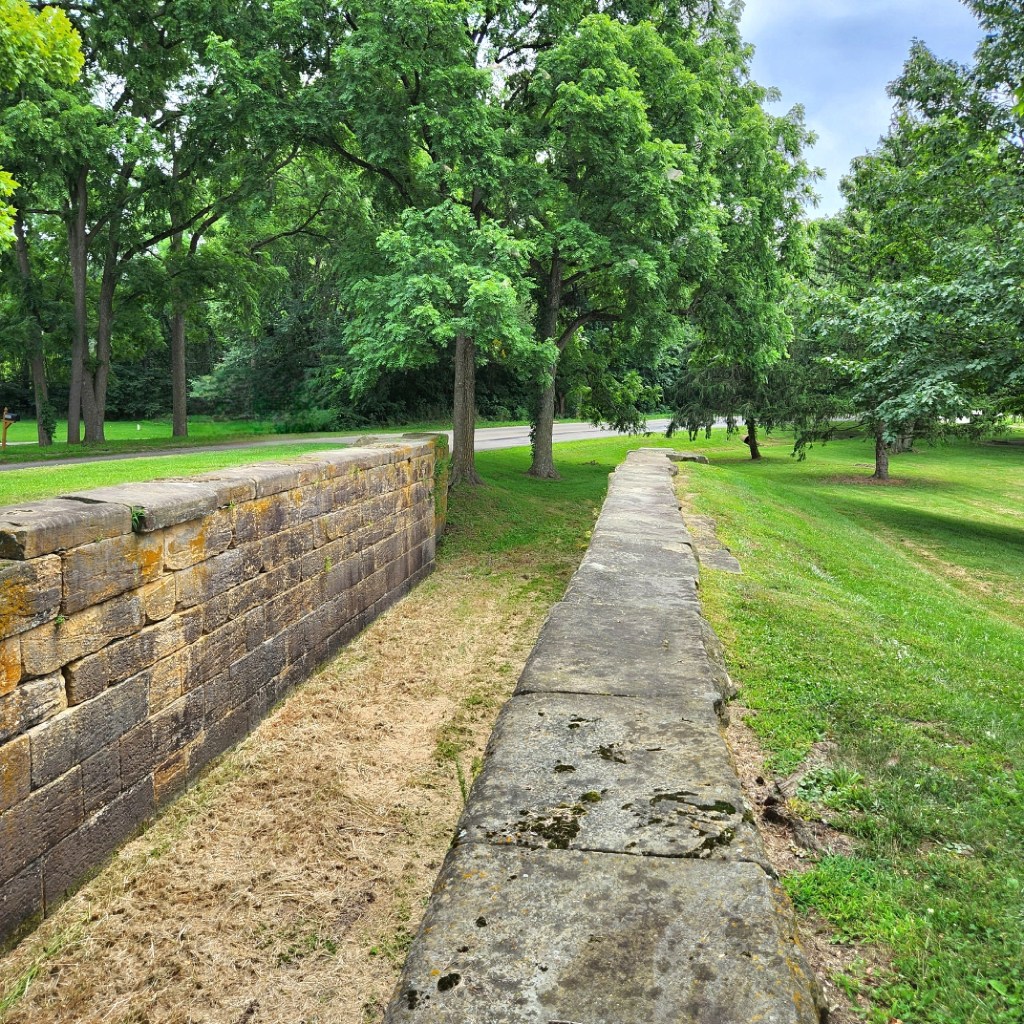
For nearly a century, the romance of canal boats navigated Ohio’s rural landscape. It was only the age of the railroad—faster and more dependable than water routes—that the old canals gracefully bowed to their denouement.
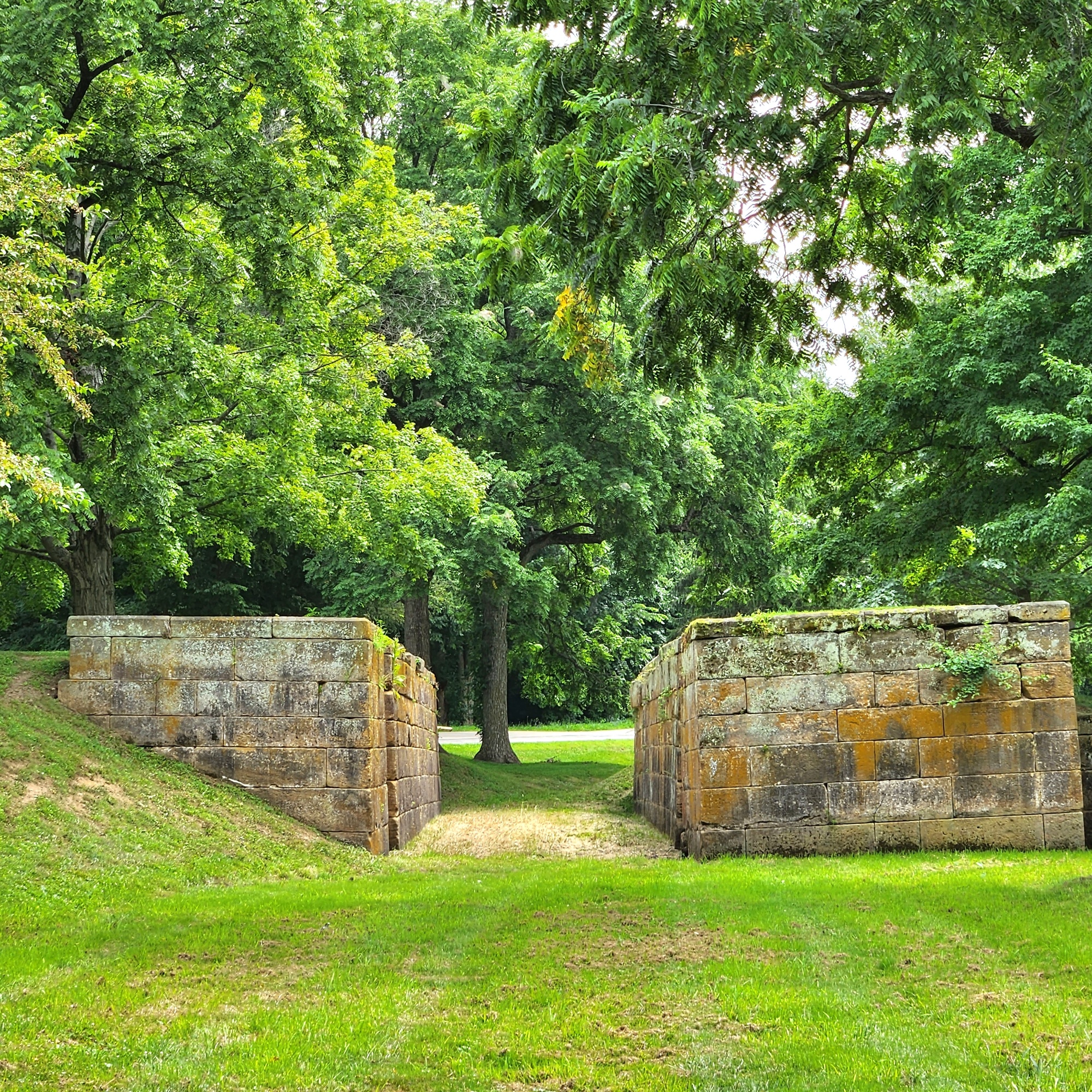
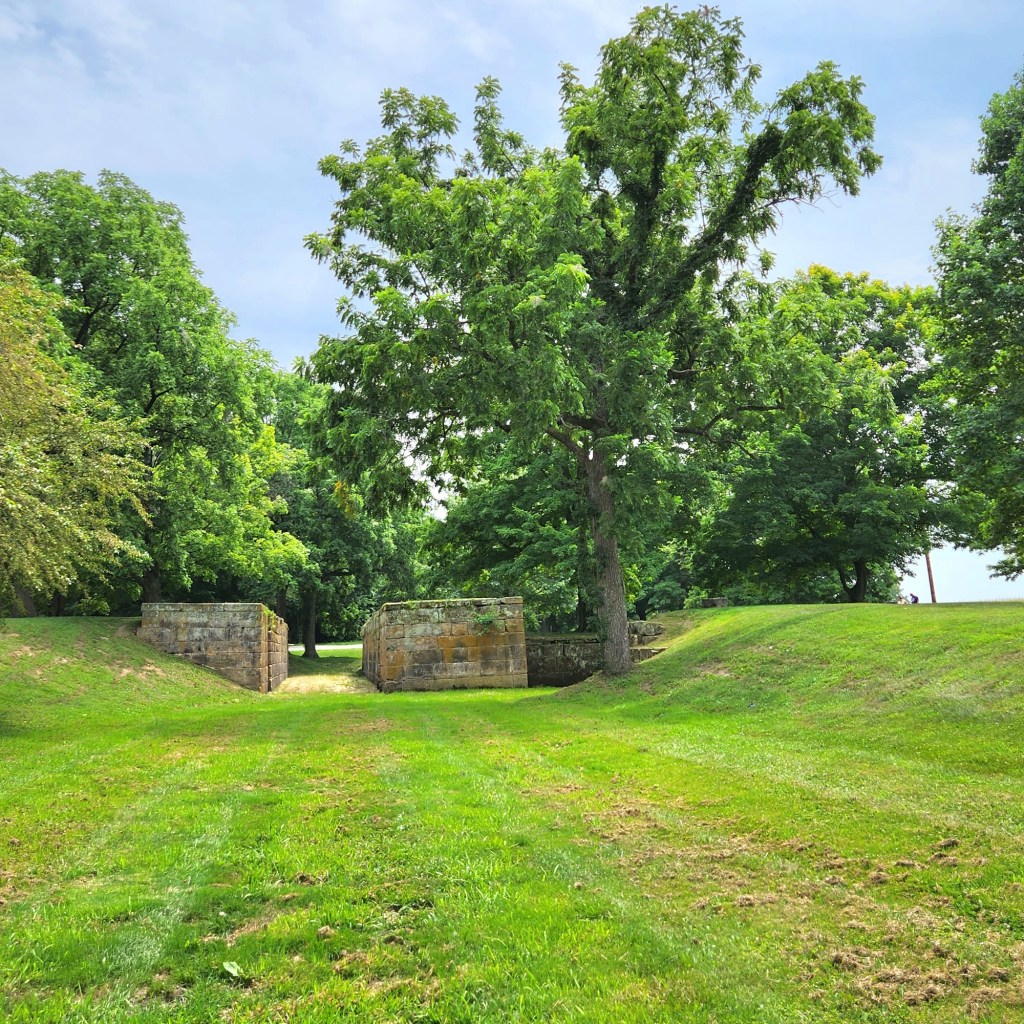
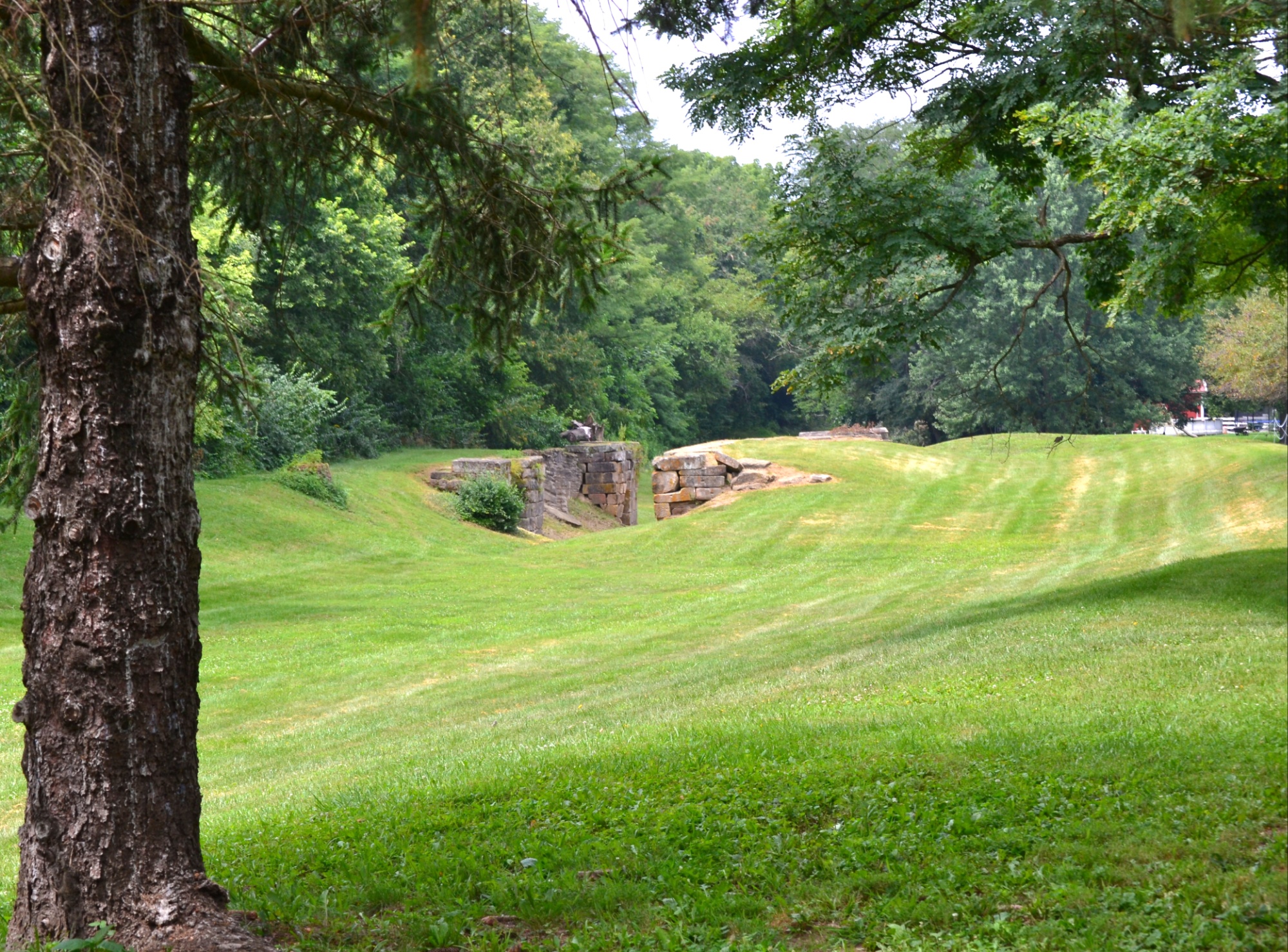
These canal ruins, now silent footprints of history—known as a lock—once raised and lowered canal boats with precision, allowing passage through Ohio’s varied terrain.
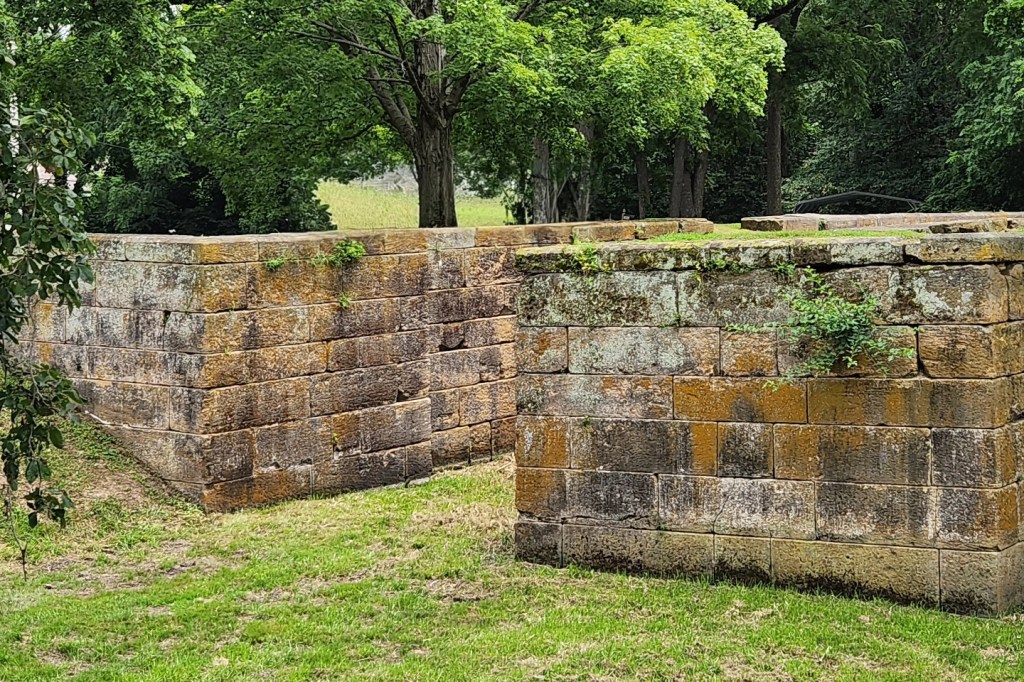
It’s a poetic interlude in Ohio’s heart, where every stone recites a tale of the canal’s storied past.
 Everything Tells A Story...
Leave a comment